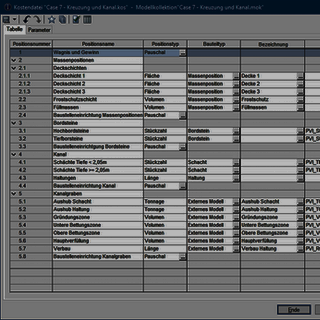
In rail design, quality and schedules are not decided within a single discipline but by the interplay between them: every change to the alignment affects signals, masts, catenary, and cable routes. Where disciplines plan in seperate systems, these changes travel through exports and drawing deliveries from version to version – and often arrive too late.
ProVI brings track and alignment design, signaling, and the overhead contact line together in one shared, associative model – with cable route planning as the cross-cutting discipline that ties them together. When the track position changes, the impact on every discipline is immediately visible in the project. Engineers assess the consequences and carry their designs forward without consolidating information through exports, remodeling, or manual reconciliation.
As the standard alignment design software at Deutsche Bahn, ProVI has ranked among the leading railway design software for years – through to planning deliverables and PlanPro XML. Lead planners gain transparency across the project status, specialized engineering firms cut interface overhead, and owners get a reliable basis for decisions, schedules, and costs. The result: rail design that keeps change under control.
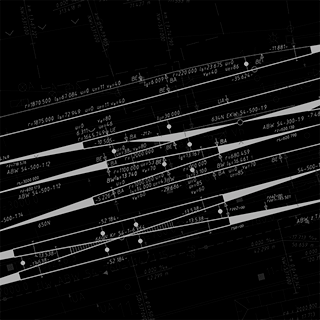
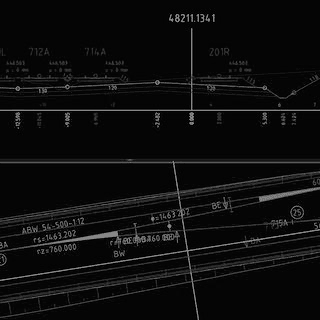
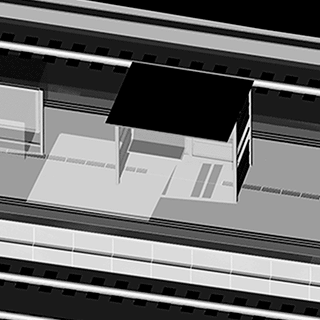
Track and alignment design is the foundation of the shared model. The alignment, the track structure with superstructure and substructure, platform facilities, and other objects are managed on one consistent data basis and are directly available to the adjacent disciplines – not as an export, but as a live reference. When the track geometry changes, the impact on signals, overhead contact line objects, and cable routes is immediately traceable. Dependencies can be checked earlier, and complex projects can be controlled with greater confidence.
Want to learn more?
Get in touch with us.
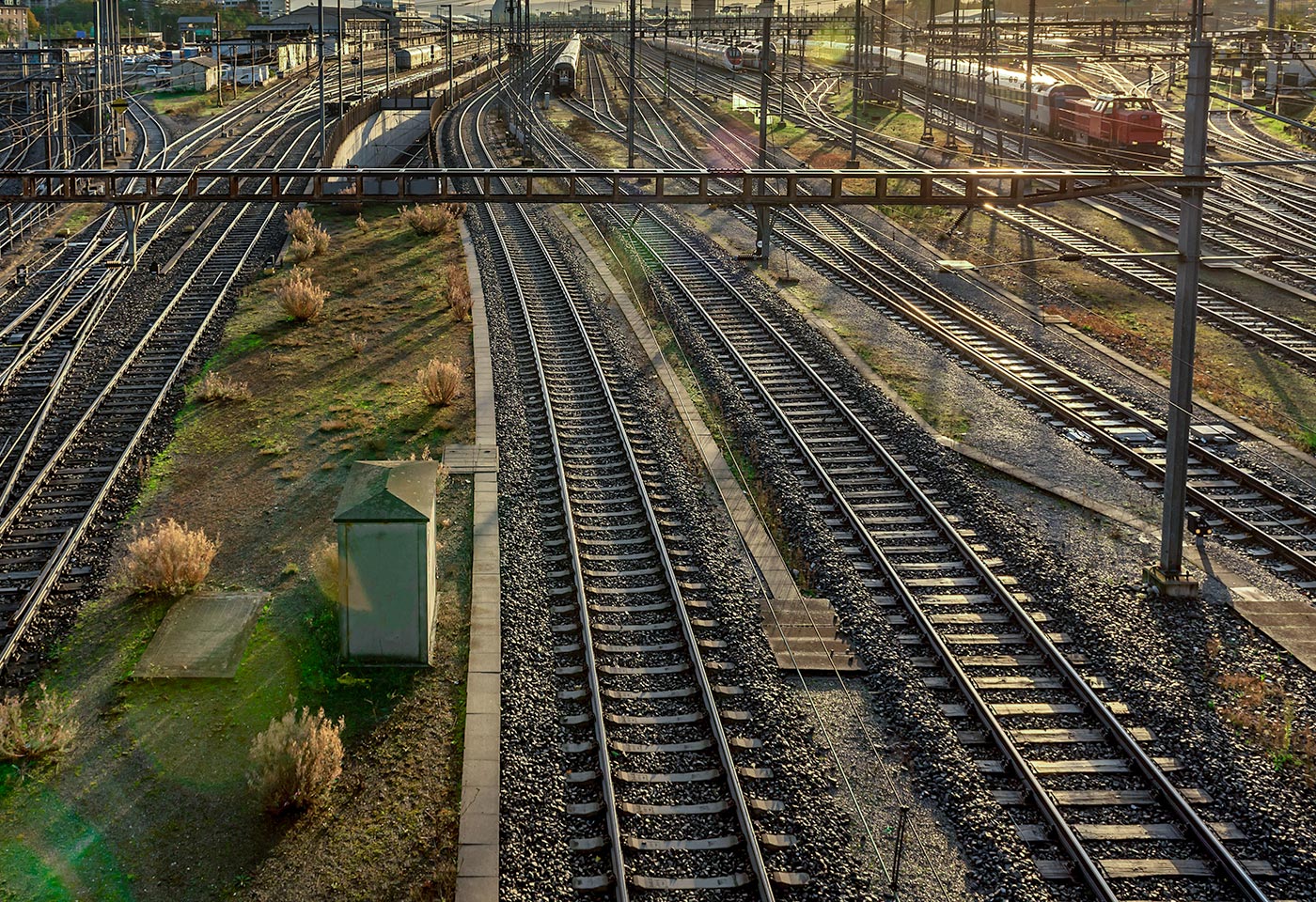
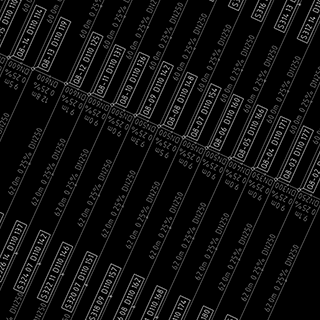
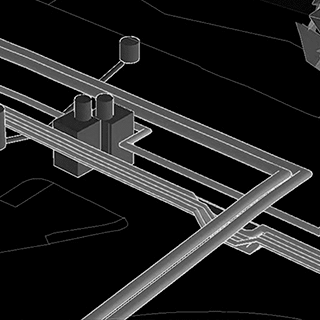
Railway cable routing is the cross-cutting discipline that connects them all: the cable civil works come from track and alignment design, while the cables they carry come from the equipment disciplines – signaling, telecommunications, and 50 Hz power supply. Cable routes, manholes, crossings, and cable allocations stay linked to the relevant objects in the model. Changes to track position, signals, switch machines, or mast locations immediately show which troughs, manholes, or allocations are affected. That means fewer version errors, less manual reconciliation, and less coordination overhead.
Want to learn more?
Get in touch with us.
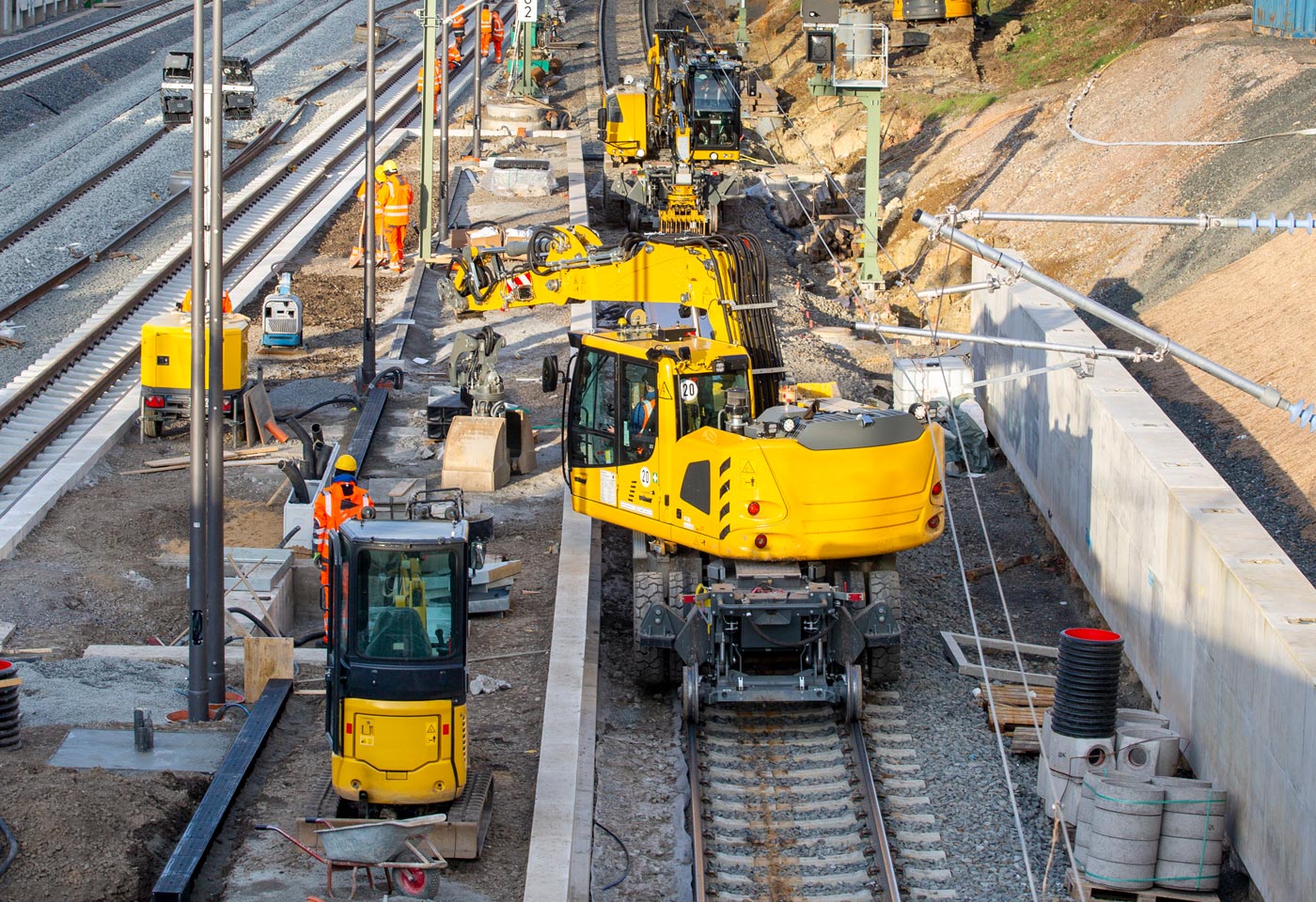
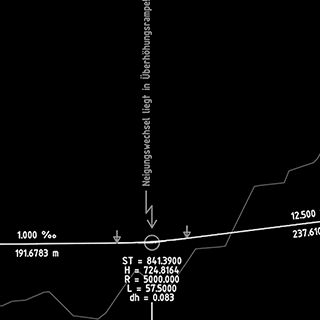
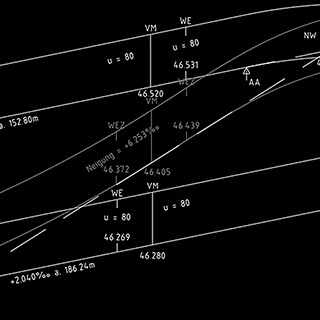
Railway signaling (control-command and signaling, CCS) is designed directly on the current alignment – in the same model, not on imported versions. Signals, axle counters, routes, and other objects stay linked to alignments, construction stages, and adjacent disciplines. When the track and alignment design changes, the engineering impact is immediately traceable; design data is carried forward consistently, with no breaks between systems – through to planning deliverables, tables, and PlanPro XML.
Want to learn more?
Get in touch with us.
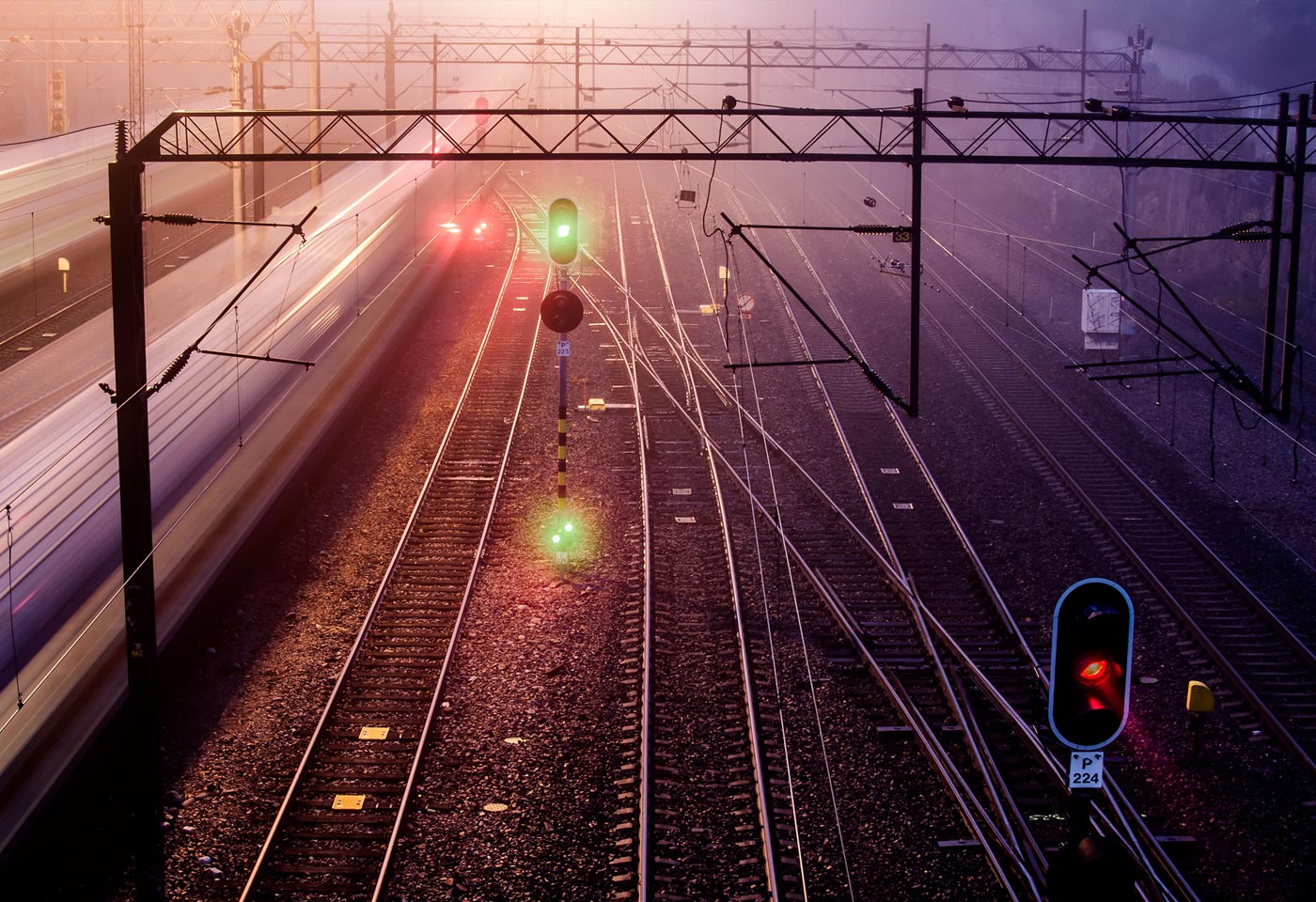
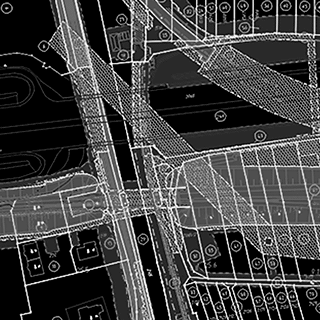
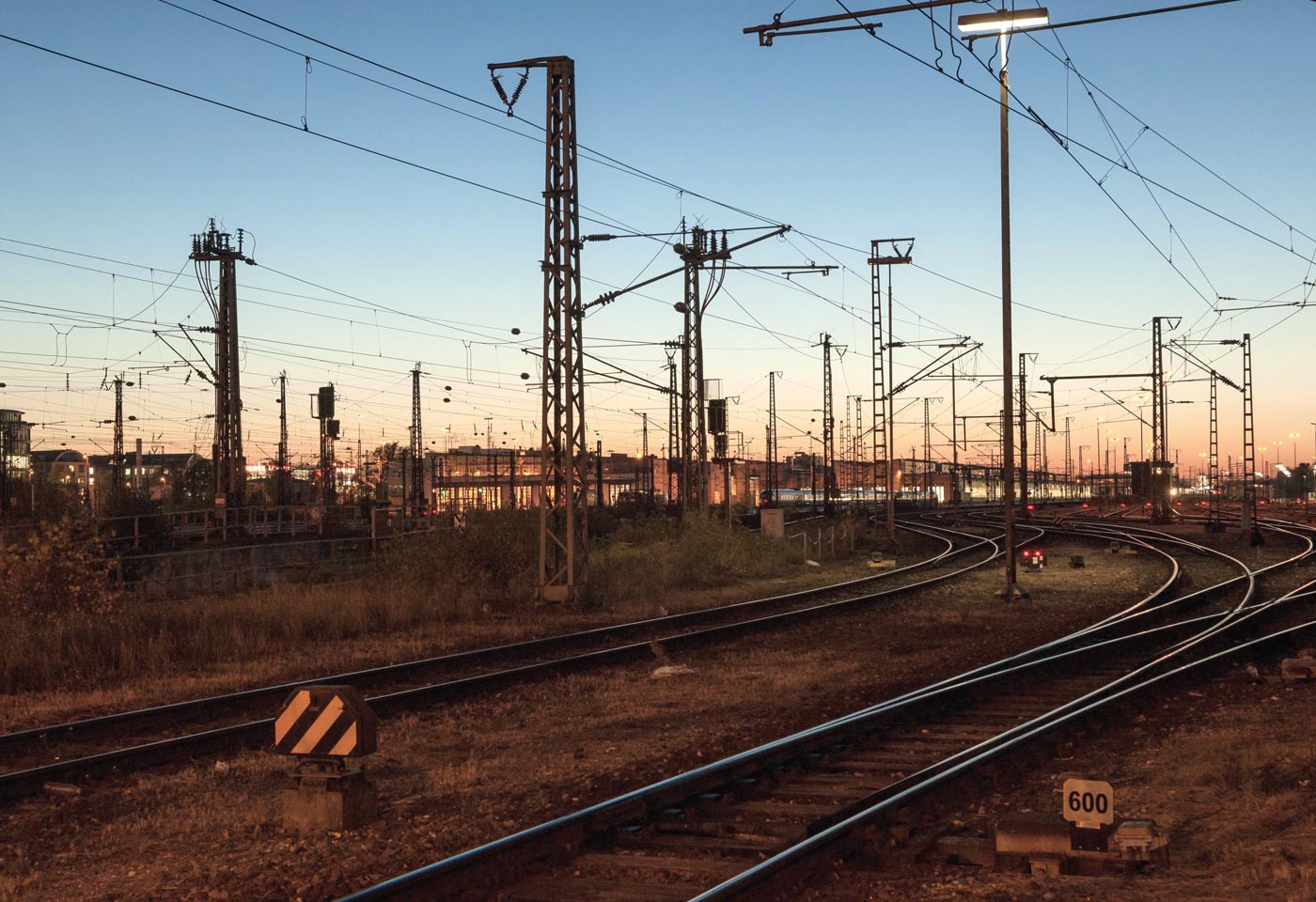
Overhead contact line design works directly on the design data from track and alignment, signaling, and cable route planning. Mast locations, cantilevers, and the catenary are design objects with properties, dependencies, and references to track position, existing infrastructure, and construction stages. When the track layout changes, the affected objects are immediately visible in the project. That simplifies coordination between disciplines, shortens correction loops, and reduces friction in the design process.
Want to learn more?
Get in touch with us.
We're here to help
How can we help? Send us a message.
We look forward to hearing from you.